
Queen Size Bed Frame Size Guide: Will It Fit in Your Room?
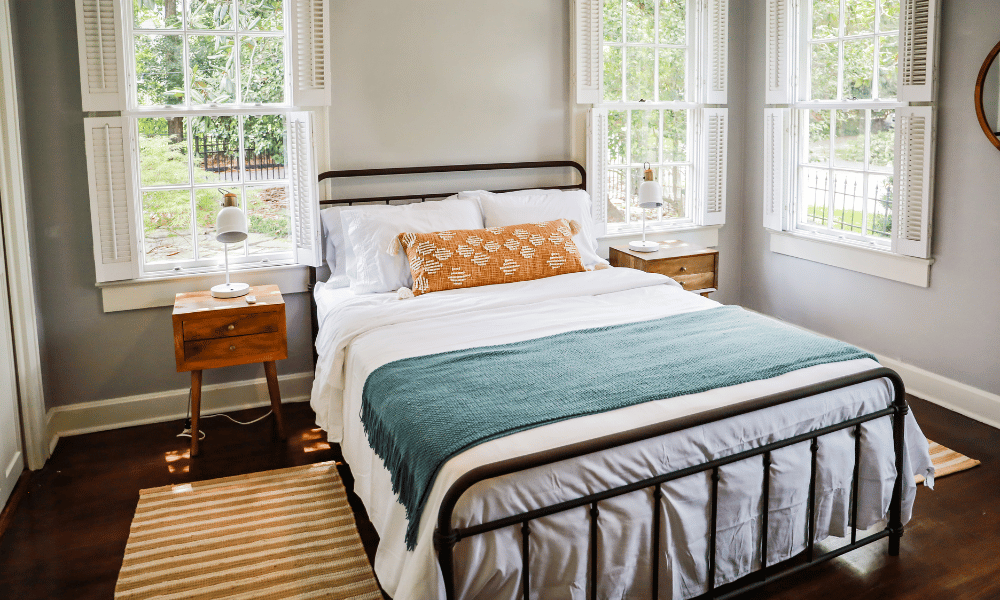
A queen-size bed is a widely popular choice for bedrooms, offering a perfect blend of comfort and space efficiency. Whether you’re upgrading your sleeping arrangements, setting up a guest room, or optimizing your bedroom layout, knowing how a queen-size bed frame fits into your space is essential.
However, before making a purchase, it’s important to consider room dimensions, clearance space, furniture placement, and style preferences to ensure functionality without overcrowding. This guide will provide an in-depth breakdown of standard bed frame sizes, space optimization techniques, design considerations, and expert recommendations to help you make an informed decision.
Understanding Queen-Size Bed Dimensions
Standard Queen Bed Size
The standard dimensions for a queen-size bed frame are:
- Width: 60 inches (152 cm)
- Length: 80 inches (203 cm)
- Height: Varies depending on design, typically between 18 to 24 inches, including the mattress.
This size makes the queen bed an excellent choice for individuals who prefer extra sleeping space or couples who need a balance between comfort and room accessibility. Queen beds also serve as a practical option for guest bedrooms, providing adequate space while avoiding the bulkiness of a king-size bed.
However, certain queen-size bed frames come with added elements such as headboards, footboards, side rails, or storage compartments that extend the dimensions further. Always review product specifications before purchasing to ensure the space will fit properly.
Types of Queen-Size Beds: Variations and Their Uses
Beyond the standard queen bed, there are several variations designed for different preferences:
- Olympic Queen – 66 inches wide × 80 inches long
- Offers extra width for sleepers who prefer more space.
- California Queen – 60 inches wide × 84 inches long
- Slightly longer than a standard queen, perfect for taller individuals.
- Split Queen – 60 inches wide × 80 inches long (Split into two sections)
- Designed for adjustable beds, allowing customized positioning for dual sleepers.
Choosing between these options depends on room size, sleeping habits, and comfort needs. If you require extra legroom or share your bed, a California queen or Olympic queen may be the better choice.
How Much Space Do You Need for a Queen Bed?
Although a queen-size bed frame measures 60 × 80 inches, extra space is essential for movement and furniture placement.
Recommended Minimum Room Sizes
- Minimum space required: 10 × 10 feet (3 × 3 meters)
- This accommodates the bed snugly with limited clearance.
- Ideal room size: 12 × 12 feet (3.7 × 3.7 meters)
- Provides space for additional furniture such as nightstands, wardrobes, or seating.
- Optimal clearance: At least 24 inches (61 cm) around the bed for easy movement.
Having insufficient room can make your bedroom feel cramped and reduce overall accessibility. An optimal layout ensures comfort, functionality, and a visually appealing aesthetic.
Step-by-Step Guide to Measuring Your Room
Before purchasing a queen-size bed frame, follow these steps:
- Measure Your Room – Use a measuring tape to get the exact width and length.
- Consider Furniture Placement – Factor in nightstands, dressers, and wardrobes.
- Check Doorway Access – Ensure enough space to maneuver the bed frame into the room.
- Use Masking Tape for Visualization – Mark the bed’s dimensions on the floor to see how it fits.
By proactively measuring and planning, you can avoid space-related issues and ensure a seamless bedroom arrangement.
Best Layouts for Queen Beds
Different room layouts can affect the perception of space and impact accessibility. Here are strategic placement options:
- Against a Wall: Ideal for small bedrooms, freeing up movement space.
- Centered Positioning: Works best in larger rooms, balancing aesthetics and access.
- Corner Arrangement: Helps maximize space efficiency, making the room feel open.
Space-Saving Strategies for Compact Rooms
If you’re working with a tight bedroom layout, consider these tips:
- Opt for Multi-Functional Furniture – Storage beds, foldable nightstands, and wall-mounted shelves help optimize space.
- Choose Light Colors – Soft, neutral tones make small rooms feel open and airy.
- Minimize Clutter – Avoid excessive décor and bulky furniture to maximize walking space.
- Utilize Vertical Storage – Installing shelves and organizers frees up the floor area.
These space-enhancing techniques allow your bedroom to feel spacious and functional despite limited square footage.
Queen Bed Frame Styles: Which One is Right for You?
Selecting the right bed frame is just as crucial as ensuring it fits. Here are common frame styles:
- Platform Bed – Minimalist design, no box spring required.
- Storage Bed – Features drawers underneath for extra storage space.
- Canopy Bed – Elegant and luxurious, but requires high ceilings.
- Adjustable Bed – Great for customizable comfort settings.
The style of the frame impacts space perception, accessibility, and overall aesthetics. Assess your needs and choose a design that complements your bedroom’s function and décor.
Will a Queen Bed Fit Your Room Comfortably?
Before committing to a purchase, ask yourself:
- Does my room meet the recommended space requirements?
- Do I have enough clearance for movement?
- Does the bed frame style complement my existing furniture?
- Can I optimize space while maintaining accessibility?
By considering these aspects, you ensure that your bedroom remains both comfortable and functional.
Conclusion
A queen-size bed frame offers a perfect balance between comfort and space efficiency. Whether you’re furnishing a master bedroom or guest space, understanding bed dimensions, layout strategies, and room optimization will help you create a well-designed living environment.